
Identifying Hidden Roof Damage After Severe Storms
Living in the Upstate, we are no strangers to intense weather. From heavy spring downpours to sudden, severe summer squalls, our homes take a beating. When the skies finally clear and the sun comes back out, it is easy to assume that if your roof is still attached, everything is fine. Unfortunately, the reality is rarely that simple. Severe weather often leaves behind underlying issues that are not immediately visible from the driveway.
Many homeowners wonder how to know if their roof needs to be repaired or completely replaced after a major weather event. The truth is, waiting for water to start dripping through your ceiling is the most stressful and expensive way to find out. Catching the subtle signs of hidden storm roof leaks early can save you thousands of dollars and preserve the structural integrity of your home.
At Roofsters, we know how overwhelming it can be to navigate the aftermath of a bad storm, especially when out-of-town companies flood the neighborhood promising quick fixes. As a veteran-owned, local business built on integrity and quality, we want to empower you with the knowledge to protect your biggest investment. Here is what you need to know about spotting the hidden damage a storm leaves behind.
Spotting the Signs of Wind Damage
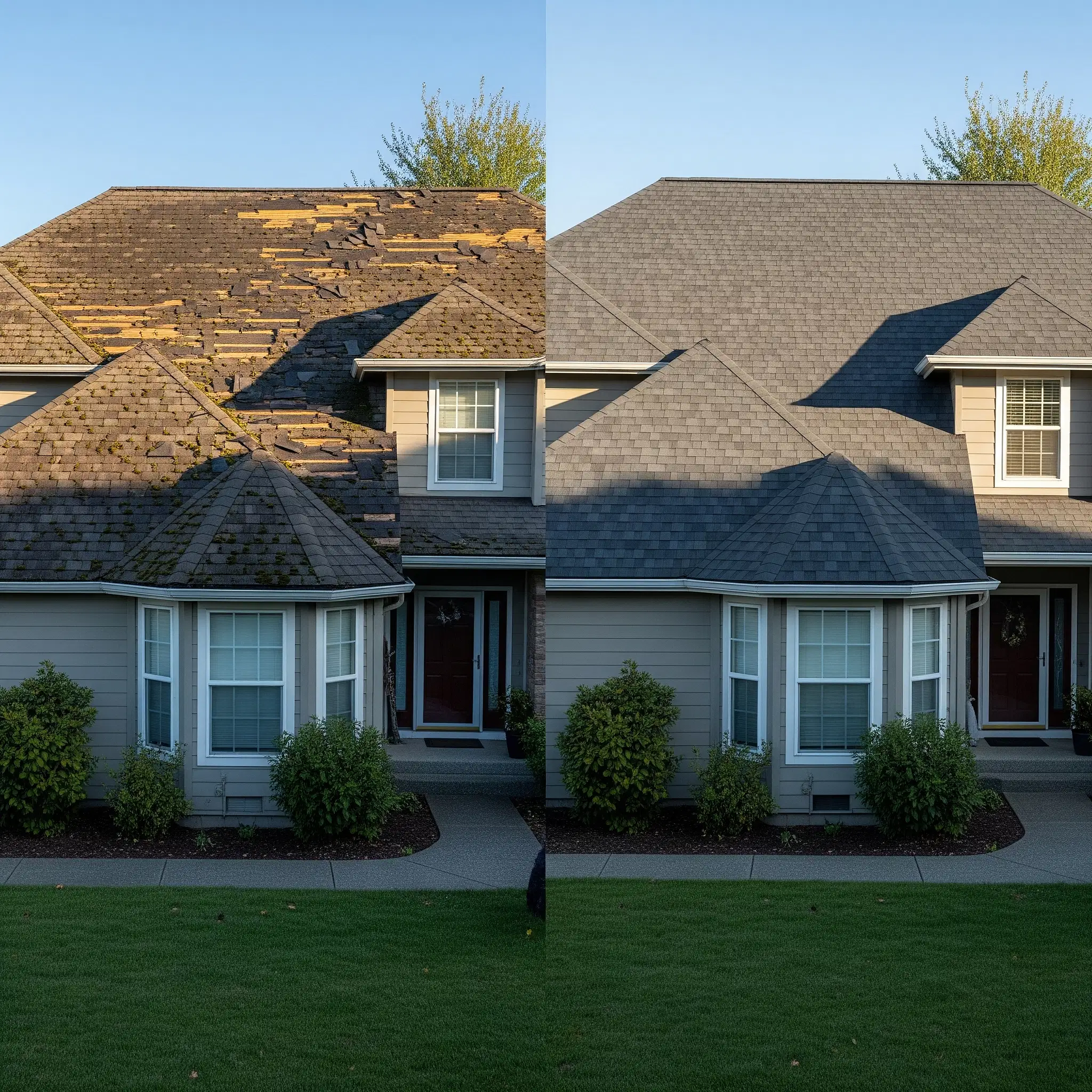
High winds are notorious for causing both obvious and invisible destruction. While a missing shingle is easy to spot, wind can also cause the adhesive seal on your shingles to break. When this happens, the shingles lift during gusts of wind—a phenomenon known as wind uplift—allowing rain to blow underneath. Once the wind dies down, the shingle lays back flat, making it look perfectly normal to the untrained eye.
Over time, this compromised seal allows moisture to reach the underlayment and eventually the wood decking below. If you are trying to spot this from the ground, look for subtle horizontal lines across your shingles where they may have folded backward in the wind. You might also notice slightly uneven or raised edges along the roofline.
If you find scattered debris from trees, broken branches, or patio furniture that has been tossed around your yard, there is a good chance your roof experienced wind speeds high enough to break those shingle seals. Addressing these lifted shingles early with targeted roof repair can often prevent the need for a full replacement later on.
How to Identify Hail Damage on a Roof
Hail is one of the most deceptive types of weather when it comes to your home's exterior. You might hear the ice pounding against your windows and assume the worst, only to walk outside the next day and see a roof that looks perfectly intact.
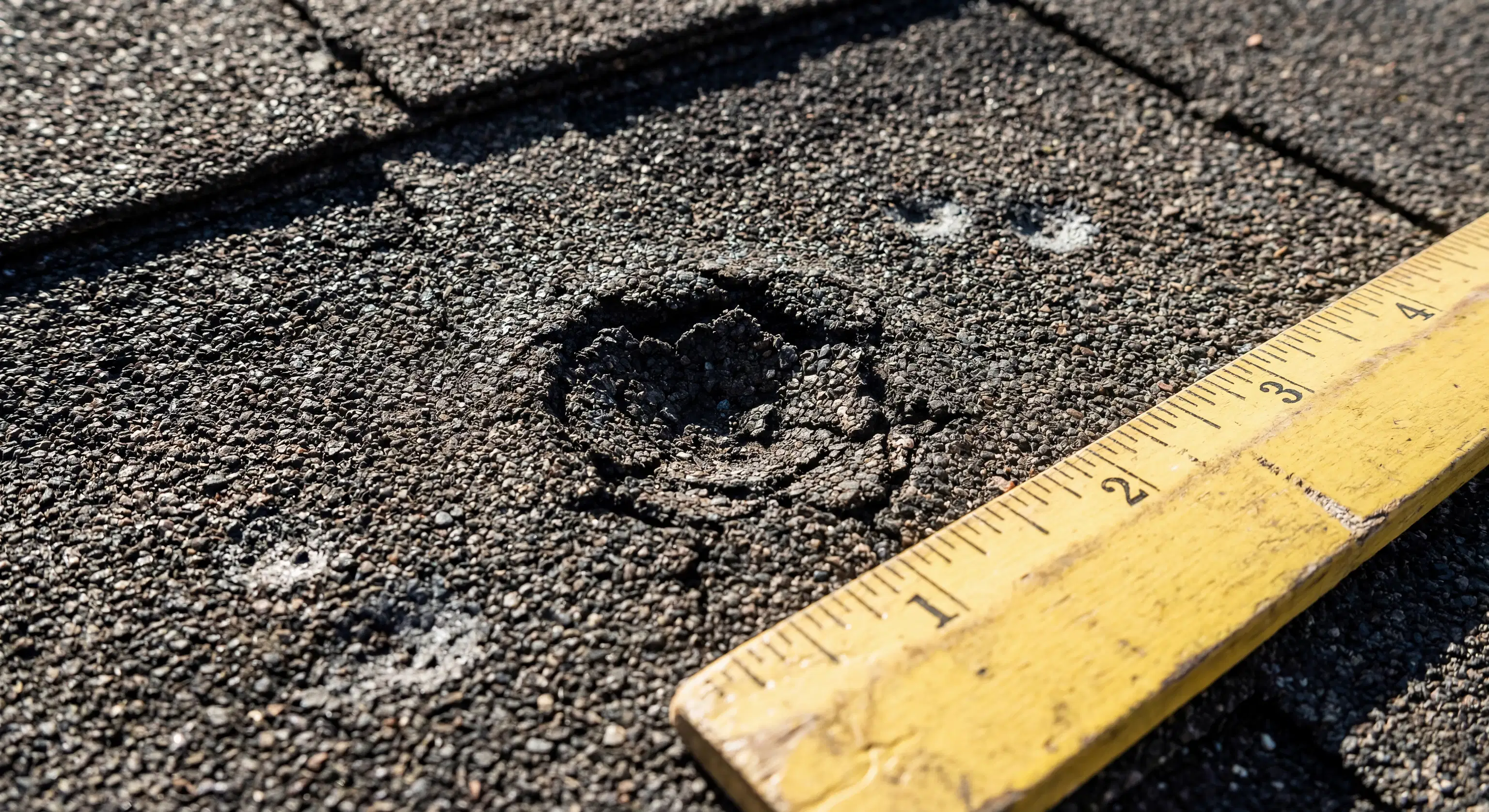
Learning how to identify hail damage on roof surfaces requires knowing what to look for. Hail doesn't usually tear holes in your roof; instead, it bruises the shingles. When a hailstone strikes an asphalt shingle, it knocks away the protective granules. These granules are essential because they shield the underlying asphalt from the sun's harsh UV rays. Once those granules are gone, the exposed asphalt will quickly dry out, crack, and eventually allow water to seep into your home.
To check for hail impacts without climbing a ladder, start by checking your gutters and downspouts. An unusual buildup of coarse, sand-like granules after a storm is a strong indicator of impact damage. You can also inspect your downspouts, mailboxes, and outdoor AC units for small dents. If the metal around your home is dented, your shingles likely suffered a similar fate.
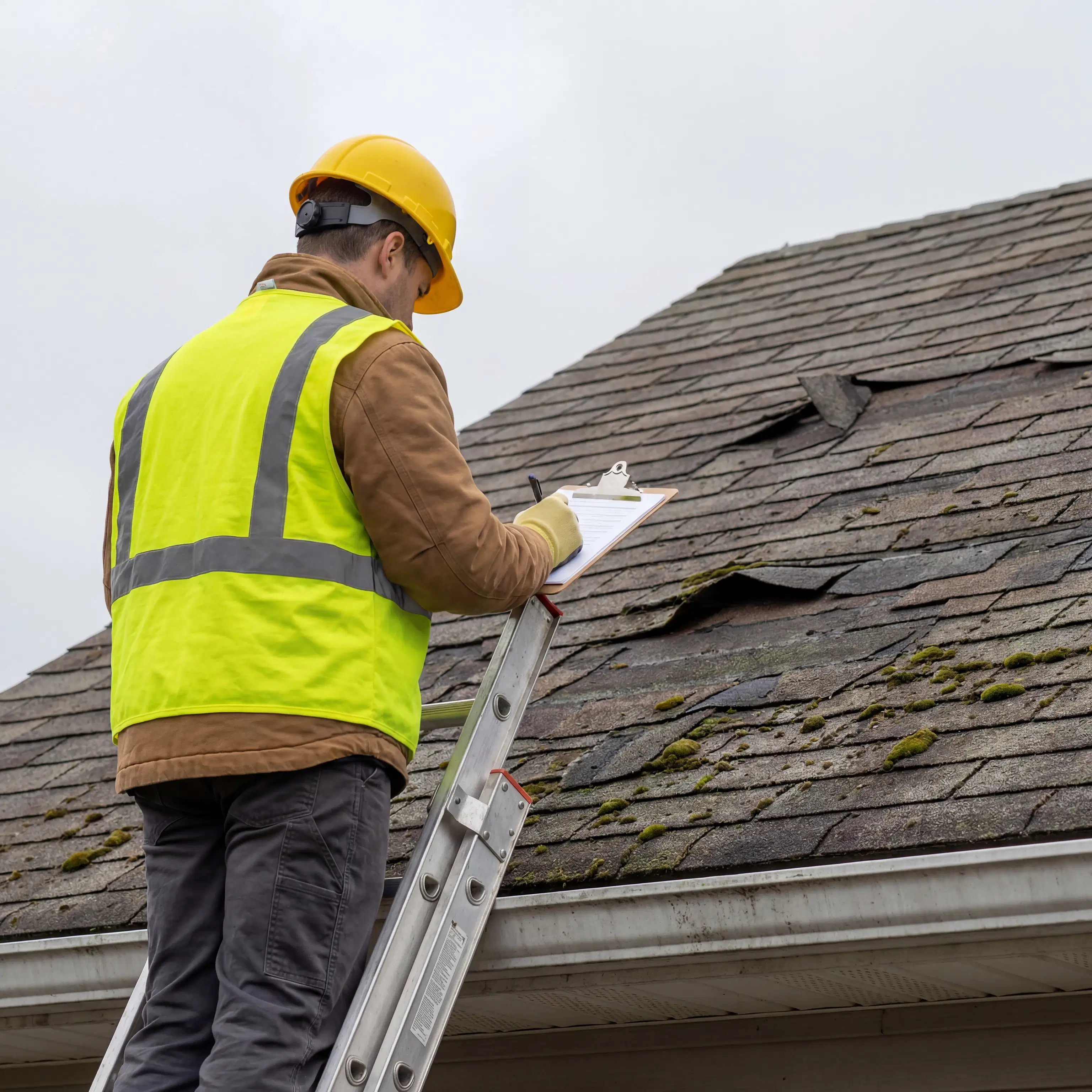
When we conduct a roof inspection after a storm, we don't just rely on drones or automated technology. While drone-assisted imagery has its place in modern roofing, nothing replaces a trained human eye. We get up on the roof to physically feel for bruised shingles and manually check the integrity of the seals, backing up our findings with timestamped and geo-tagged digital documentation so you have exact proof of the condition.
Navigating Insurance and Avoiding Storm Chasers
One of the biggest headaches following severe weather is dealing with the insurance process and the sudden influx of "storm chasers"—contractors who travel into the Palmetto State from across the country to capitalize on a disaster. Homeowners are often highly skeptical of roofing companies during these times, and rightly so.
Does homeowners insurance cover the cost of a replacement after a storm? In most cases, yes, provided the damage is accurately documented and filed promptly. However, insurance payouts can sometimes be delayed, and working with an out-of-town contractor can leave you stranded if they pack up and leave before the job is finished or warranty issues arise.
This is where working with a deeply rooted local company makes a significant difference. At Roofsters, we are fully licensed general contractors. This means that if a severe storm causes structural damage, breaks your roof decking, or impacts your home's interior framing and electrical systems, we are qualified to handle the entire scope of the project. You won't have to hire three different companies to get your home back to normal.
We provide detailed, accurate pricing estimates upfront and leverage comprehensive digital documentation to help streamline your insurance claims, making the financial side of hurricane roof damage repair as smooth and predictable as possible.
When to Call in the Professionals
While doing a ground-level check of your property is a great first step, getting onto a roof without proper safety equipment is incredibly dangerous. If you suspect your home has endured high winds or hail, the smartest move is to schedule a professional evaluation.
Whether you need a few minor patches or comprehensive storm damage roof repair, having a clear, honest assessment from a local expert gives you peace of mind. We believe in providing high-quality work without cutting corners, honoring the community we live in and serve.
If you have recently weathered a storm and want to ensure your home is fully protected, reach out to y'all's local Upstate experts at Roofsters. We are ready to provide the thorough, in-person inspection your home deserves.